Monitoring the Mental Health Act in 2024/25
Downloads
Inequalities
Key points
- Many services ensured their staff had completed mandatory training in learning disability and autism. However, some staff, especially agency and bank staff, were seen to lack the right skills, as patients reporting being unsupported, misunderstood, or spoken to in ways that felt undignified.
- We continue to see variation in confidence across wards in providing support to lesbian, gay, bisexual, and transgender patients.
- We still have concerns about systemic inequalities relating to people’s ethnicity. People of Black or Black British ethnicity were over 8 times more likely than those of White British ethnicity to be subject to a community treatment order in 2024/25.
- The Patient and Carer Race Equality Framework (PCREF) aims to support NHS trusts to become actively anti-racist organisations. It is now mandatory across mental health trusts and providers of mental health services that receive NHS funding. However, during 103 monitoring visits between January and March 2025, staff in more than three-quarters (77%) of these services said they had not heard of PCREF.
- We continue to be concerned that people living in areas of deprivation are more likely to experience inequalities – for example, people living in the most deprived areas were 3.6 times more likely to be detained under the MHA than those in the least deprived areas.
- The number of children and young people (under 18) awaiting a first contact following referral to NHS mental health services increased by 20% between 2023/24 and 2024/25, rising from a monthly average of 237,590 and 285,510 (both values are a 3-month rolling total). Over the same period, the median monthly waiting time increased by 65% from 175 days in April 2023 to 288 days in March 2025.
Care for autistic people and people with a learning disability
Care planning
It is important that services ask patients about their own needs. Our MHA reviews have highlighted services that supported people with a learning disability and autistic people by creating individualised, patient-focused care plans, with input from the patients themselves and their carers. For example, one care plan had ensured that a patient who had a secondary diagnosis of autism was provided with ear defenders, a weighted blanket and access to a sensory room, to help support their individual needs.
Positive Behaviour Support (PBS) plans were also used effectively, incorporating personalised strategies for managing risks and triggers. However, we also saw instances where care plans lacked sufficient detail and failed to address individual needs, including support for autistic people and recognition of religious requirements. This meant that, on occasion, it was not clear how these patients would be supported while on the ward.
We have also seen instances through our Independent Care (Education) and Treatment Reviews (IC(E)TRs) where people’s care plans were not up to date with assessments. This meant that care plans for autistic people and people with a learning disability who were in long-term segregation did not always fully reflect their requirements.
Environment and adjustments
Our MHA reviewers are concerned that people with a learning disability and autistic people are admitted into unsuitable environments too often due to pressures on capacity in the system. One reviewer gave an example of people with a learning disability, who may need only a lower level of support for their mental health, being admitted to a psychiatric intensive care unit, despite it being the wrong environment for them. The reviewers explained that this can lead to more incidents, poor experiences and segregation, as patients’ sensory needs are not being met.
Our analysis of MHA monitoring reports also found that the suitability of environments for autistic people and people with a learning disability varied between services.
Although some wards were suitable, for example by using pictorial signs and posters or providing quiet rooms, several reports found some ward environments to be unsuitable for autistic people. Issues included loud noises, a lack of low-level lighting, a lack of quiet and sensory spaces and décor that did not support sensory needs. During one visit to a hospital that had seen an increase in admissions of autistic people, staff and patients told us that the ward environment did not meet the therapeutic needs of people with sensory needs, as it could often be loud. We included this in our Provider Action Statement, to which the provider responded by committing to install sound dampening products on both wards.
Staff told us they would try not to admit patients with a learning disability or autism diagnosis due to environmental issues on the ward, such as no low lighting. However, during our visit there were patients detained on [the ward] with a learning disability and autism diagnosis. One patient said the environment was not helpful or beneficial for their recovery. They told us the ward was chaotic and they needed a low stimuli environment.
Extract from MHA monitoring visit report
A participant in our Service User Reference Panel focus groups, who is autistic, highlighted how what suits one person in terms of a sensory environment may not suit another autistic person. They suggested that wards should offer a variety of spaces, as well as staff who are trained and competent in understanding individual needs, to better support people’s individual sensory needs and preferences.
Findings from our IC(E)TR reports highlighted instances where people did not have access to equipment or environments that sufficiently met their requirements. For example, one review report noted that a person’s specialised sensory equipment was lost for months, but no action was taken to replace it. Another report implied that someone’s living environment was at odds with their requirements as an autistic person with a learning disability, and although there was a potentially less restrictive option for them with “convenient access to fresh air” that was “less noisy”, which could aid their sensory requirements, this was not made available.
We also found evidence that some people were not receiving assessments, and that some people’s assessments were being carried out in a way that did not properly identify their requirements. These issues meant that adjustments were not always made to enable them to progress out of long-term segregation. For example, for one person, a provider relied on “a sensory profile and communication passport implemented at the former hospital”, which needed to be updated. The lack of up-to-date assessments meant the provider was unable to determine whether “sensitivities might also be impacting on the way they experienced the world and others, which might be linked to an increased risk of harm, particularly to others”. Given that long-term segregation is a last resort, if valid assessments are not in place for people, services might have missed opportunities to identify alternative, less restrictive ways of caring for people in alternative settings.
Staffing and training
Through our monitoring activity, we have seen many services that ensured their staff had completed mandatory training in learning disability and autism, helping to promote informed and compassionate care. Some wards had dedicated ‘green light champions’, who received enhanced training to advocate for autistic people and people with a learning disability. Others had specialist teams or access to professionals like occupational therapists and psychologists for sensory assessments.
However, concerns were also raised in MHA monitoring reports about inconsistencies, especially about agency and bank staff, who were sometimes perceived as lacking the skills to support autistic patients effectively. Patients talked about being unsupported, misunderstood, or spoken to in ways that felt undignified.
At one service, an independent mental health advocate said there had been occasions where autistic people had their bedrooms moved without notice and staff did not stick to care plans or agreed routines. While acknowledging that staff were willing and caring, the advocate felt that staff needed additional training and awareness of autism to understand the need to follow care plans and agreed routines. The provider responded to our call for action by setting up a new training programme to include autism awareness.
Findings from our IC(E)TRs also flagged that staff did not always have the right skills and training. In order to support each person out of long-term segregation, staff need to receive, and be engaged with, the right training so that they can better understand and support autistic people and people with a learning disability.
Care for LGBT+ people
In our previous reports on Monitoring the Mental Health Act, we have noted variation across wards in confidence over providing support to lesbian, gay, bisexual, and transgender (LGBT+) patients. We continue to hear of difficulties. For example, at one service, patients told our MHA reviewers that they had been misgendered by night and bank staff, despite sharing their preferred pronouns during staff handover. They reported that one staff member had rolled their eyes when they were challenged about using an incorrect pronoun, and that another member of staff had used their previous name. The patient told us that these experiences had caused them upset and made it difficult to develop therapeutic relationships with some members of staff. The provider responded to our call to action by mediation with the ward manager to repair the relationship, supporting staff to attend educational sessions on gender identity and booking all nurse leaders on training to support them to challenge direct and indirect discrimination.
But several services were actively supporting LGBT+ patients. For example, some services have participated in LGBT+ events and initiatives, including day trips to celebrate Pride month. We also saw services making sure transgender people were treated with dignity and respect and received the appropriate support – for example, by allocating bedrooms based on the patient’s preference, providing gender neutral bedrooms and ensuring staff used the correct pronouns in both conversation and patient records.
Staff documented specific needs within a care plan relating to this patient’s transition [who identified as transgender]. We noted this patient’s care plan was written with support from an external agency who supported young people during their transition.
Extract from MHA monitoring visit report
Ethnicity
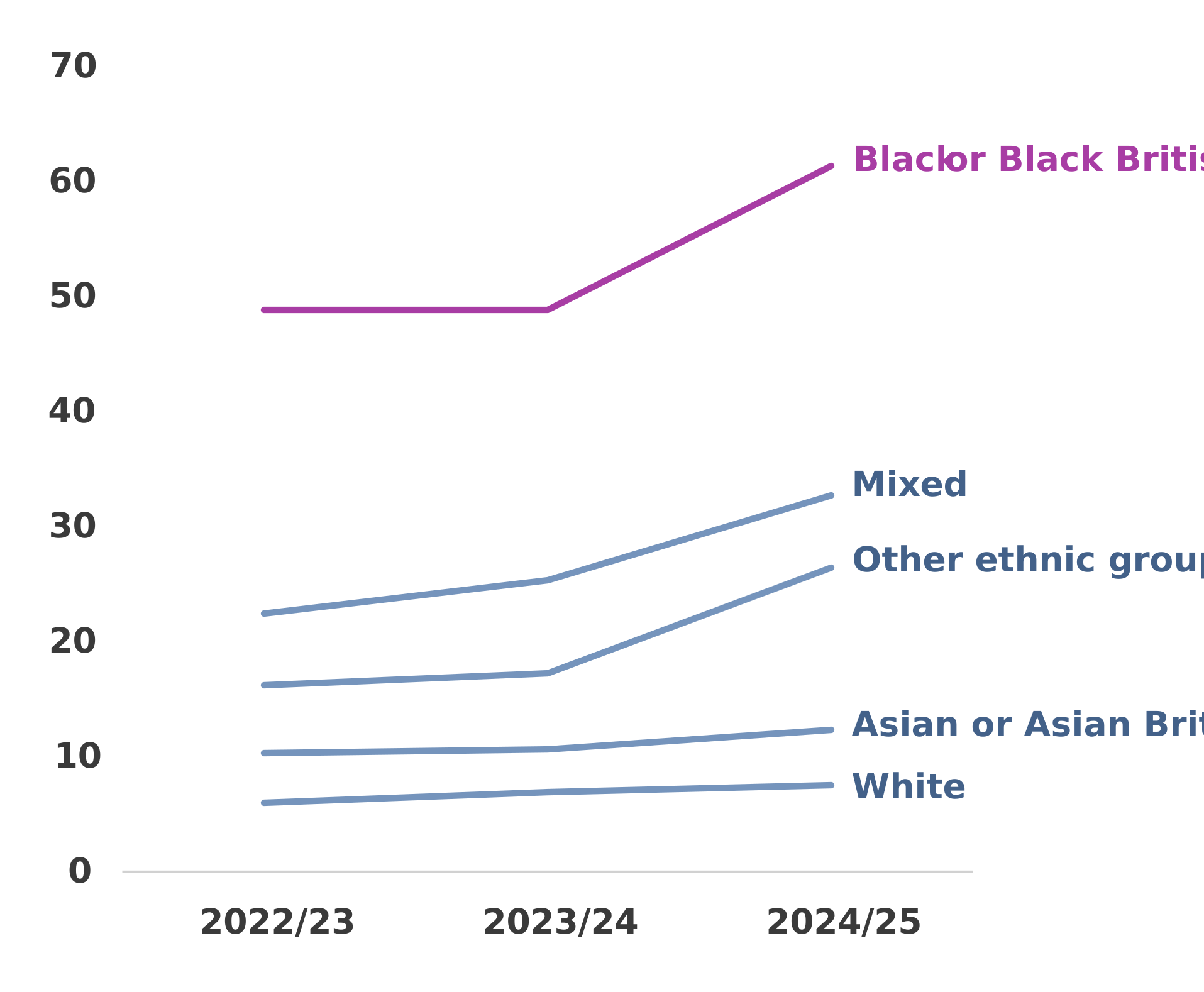
We continue to be concerned about systemic inequalities relating to people’s ethnicity. Analysis of NHS England’s Mental Health Act Statistics found that in 2024/25, people of Black or Black British ethnicity were much more likely than any other group to be subject to a community treatment order (CTO) – over 8 times more likely than those of White British ethnicity. Between 2023/24 and 2024/25, people of Black or Black British ethnicity also experienced a 26% increase in CTOs. People in ‘Other ethnic groups’ showed the highest increase of 49%, rising from 18 to 26 standardised per 100,000 population between 2023/24 to 2024/25 (figure 3).
Figure 3: People subject to community treatment orders (standardised per 100,000 population) by ethnicity, 2022/23 to 2024/25
Source: NHS England’s Mental Health Act Statistics.
Data also shows that in 2024/25, the standardised rate of detentions per 100,000 people of Black ethnicity was 262 per 100,000 population compared with 66 per 100,000 for people of White ethnicity. This means the rate of detention for Black people was 4 times the rate for White people.
At 18%, people of Black ethnicity also experienced the highest rate of repeated detentions in 2024/25, compared with 17% for those of Mixed ethnicity and 15% for those of White ethnicity.
Black working-age adults also had longer stays as an inpatient: stays of 60 days or more were almost 4 times higher than for White adults (a crude rate of 113 compared with 29 per 100,000 population).
Black men’s mental health
In our latest State of Care report for 2024/25, we highlighted the longstanding inequalities in mental health care that Black men experience.
To develop our understanding of how Black men experience mental health care, we commissioned Queen Mary University (QMU) and University College London (UCL) to carry out a rapid review of what ‘good’ looks like in relation to access to care, experience of care, and outcomes for Black men. As part of the review, the team carried out a literature review, which showed that Black people (that is, people of Black Caribbean and Black African heritage) continue to face stark and persistent inequalities in mental health care.
The literature review found that not only are Black people 3 to 5 times more likely to be diagnosed and admitted to hospital with schizophrenia compared with all other ethnic groups, they also are less likely to access care early. Inequalities affect Black people along the entire care pathway from access to diagnosis, assessment, treatment and recovery.
Members of the review team spoke with 23 people, including those with lived experience, family, carers, charities and advocacy groups, and providers of services to hear their experiences.
People described stigma as one of the main barriers to accessing mental health services – both in terms of the way communities often viewed mental illness as a sign of weakness or shame, and past experiences that have led to distrust in services.
Stigma around mental health services and fear of dying in services prevents communities from encouraging loved ones to access services. I think when you come from a racialised background, our communities are fearful of stigma and also fearful of the real things that do happen, such as people dying in like mental health services.
Person who uses services
Participants in the research by QMU and UCL described how care that was not holistic and was focused on medication could mean that the causes of the patient’s mental health condition were not addressed and would probably continue to be there after the treatment ended.
They also felt that the ability of services to deliver holistic care was also affected by the current fragmentation of the healthcare system, where there were notable gaps in the communication between providers.
You may see a nurse, an [occupational therapist], a psychiatrist, a psychologist...the multidisciplinary team sometimes is more challenging in the way that they communicate to each other. It shouldn't be our responsibility to take bits and pieces [of information] and make sure these are communicated.
Family member/carer
Findings from the literature review show that staff must be properly trained to fight racism and support Black men with respect and understanding, and that services need to be held accountable when they fail to do the right thing.
Patient and Carer Race Equality Framework
The Patient and Carer Race Equality Framework (PCREF) aims to support NHS trusts to become actively anti-racist organisations. In last year’s Monitoring the Mental Health Act report, we reported on continued positive findings of PCREF pilots and early adopter sites.
It is now mandatory across mental health trusts and providers of mental health services that receive NHS funding. In the last quarter of 2024/25, MHA monitoring teams asked focused questions about PCREF on their monitoring visits.
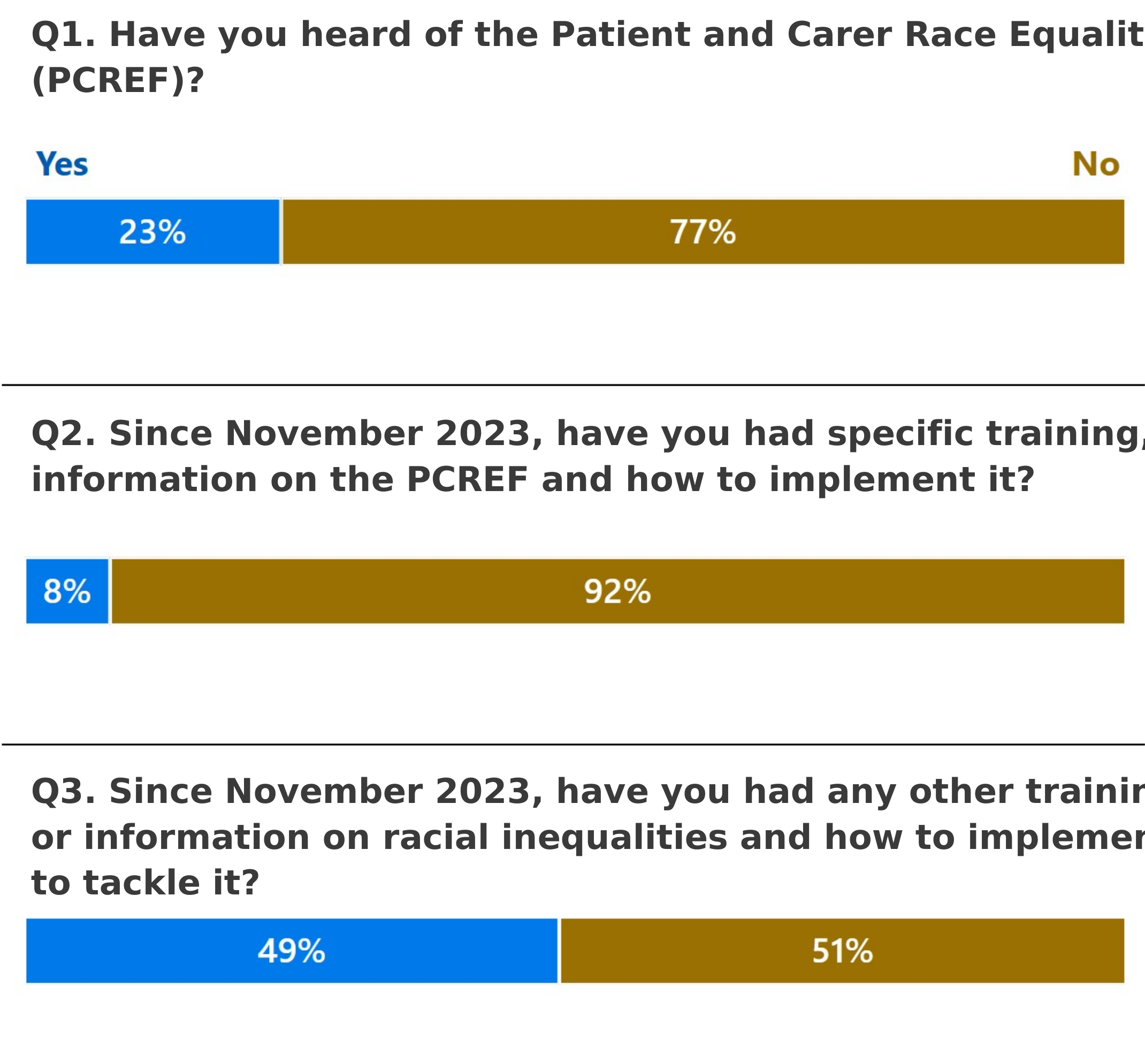
Our MHA reviewers have noted that staff in many wards, including ward managers, seemed to be unaware of PCREF. This is despite it being mandatory for NHS mental health trusts and providers to have the framework in place by the end of 2024/25. One reviewer commented: “every ward I go to, nobody's heard of it”. To look into this further, our reviewers asked staff, mainly ward managers, a standard set of questions during 103 monitoring visits between January and March 2025. The results also point to a poor knowledge of PCREF among staff on these wards:
- in more than three-quarters (77%) of services visited, staff said they had not heard of PCREF
- staff in only 8% of these services said they had received specific training, support or information on PCREF and how to implement it since November 2023
- in half (51%) of the services, staff said they had not received any other training, support or information on racial inequalities and how to implement solutions to tackle it since November 2023 (figure 4).
Figure 4: Patient and Carer Race Equality Framework knowledge and training questions, January to March 2025
Source: CQC’s own data collected by MHA Reviewers during monitoring visits in final quarter 2024/25.
We support PCREF as a practical tool to tackle racism and dehumanisation. We will continue to encourage services to embed the approach through our regulatory and monitoring activity, and will be checking how services use the framework as evidence to inform our assessments, using our guidance. This includes how mental health services embed equity into their shared vision and ensure equity in experience and outcomes for people from ethnic minority groups.
As a regulator and monitoring body, it is important that we do not hold others to account for actions we are not taking ourselves. We stand against racism, violence, aggression and abuse in all forms. We are currently adopting the principles for an anti-racist organisation set out by the NHS Race and Health Observatory. Our approach will focus on how we address the effects of structural, institutional, and interpersonal racism. This includes addressing racism in our external regulatory work for people using services and providers, as well as internally for our colleagues in CQC.
Deprivation
People living in areas of deprivation are more likely to experience inequalities. This is reflected in NHS England’s latest survey of mental health and wellbeing, which found that the proportion of adults with common mental health conditions was higher in those living in the most deprived fifth of areas.
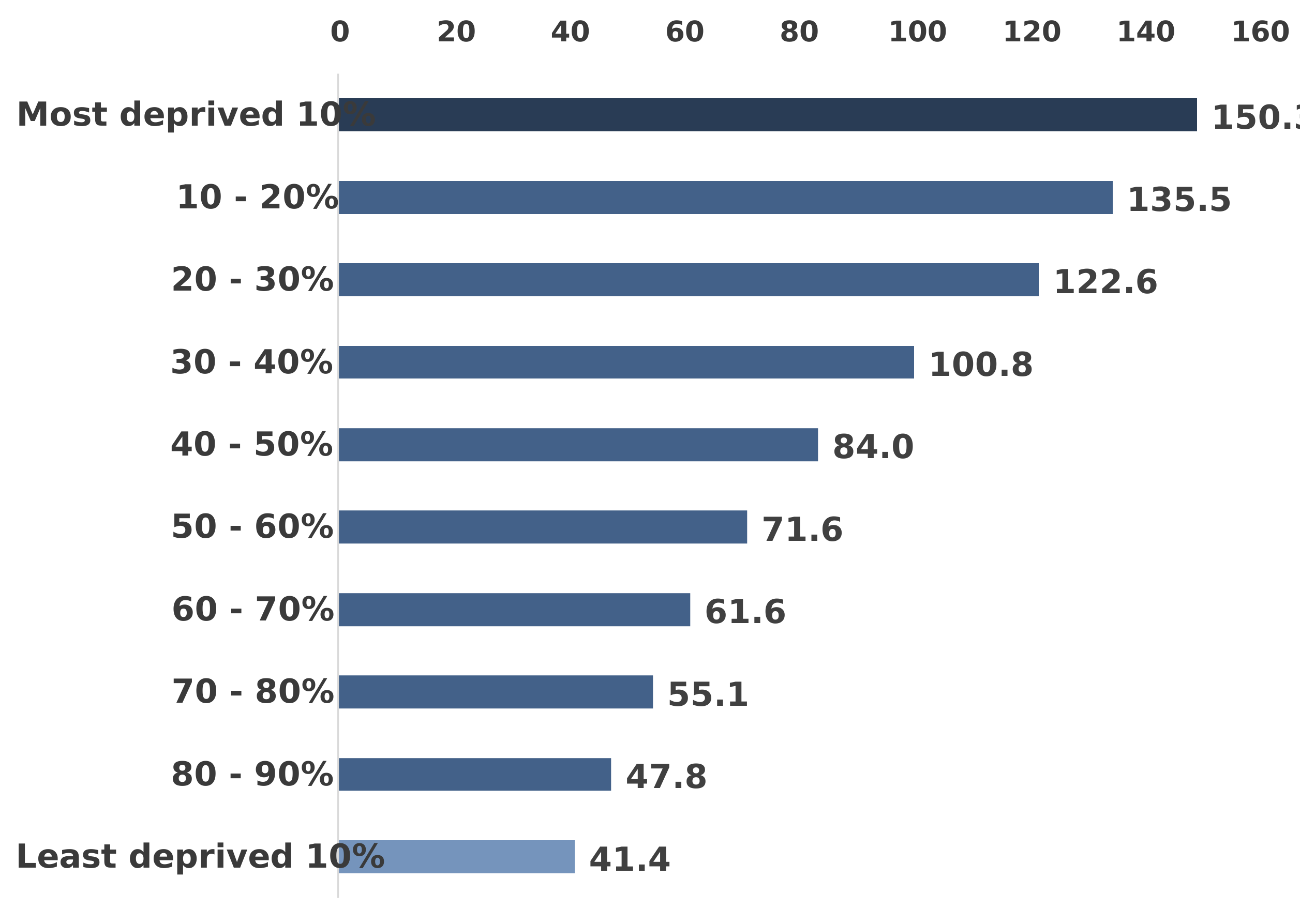
Our analysis of Mental Health Act Statistics shows that in 2024/25, people living in the most deprived areas were 3.6 times more likely to be detained under the MHA than those in the least deprived areas (figure 5).
Figure 5: Crude rate of detention by deprivation decile per 100,000 population, 2024/25
Source: NHS England’s Mental Health Act Statistics
NHS England’s figures also show that people in the most deprived areas were more likely to have longer stays on a mental health ward as an inpatient – particularly for working-age adults. In 2024/25, among adults aged 18 to 64, the crude rate of people staying in hospital for more than 60 days was 75 per 100,000 in the most deprived areas, compared with 17 per 100,000 in the least deprived areas.
A further concern is that in 2024/25, people in the most deprived areas were over 3 times more likely to experience a new out-of-area placement than those in the least deprived areas. An ‘out-of-area placement’ is a bed in a hospital outside someone’s local area, which may mean that they cannot receive regular visits from their care co-ordinator to ensure continuity of care and effective discharge planning, or their family and carers.
Emily’s story
Emily, who is working age and lives in a relatively deprived area of England, was diagnosed with depression and anxiety by her GP, who referred her for cognitive behavioural therapy.
When Emily told her GP that the therapy wasn’t working for her, her GP offered her ‘general’ mental health advice (for example, to take walks). She felt that her GP had just become used to seeing her crying her eyes out, and she lost faith in her GP practice, which did not refer her to any more services.
Emily feels that if the GP practice had referred her to a community service, what came next might have been prevented.
As Emily’s mental health continued to deteriorate, her mum called the crisis team on multiple occasions but said it wasn’t easy to get them on board.
When Emily got to the point where she was physically trying to end her life, the crisis team came out to visit her and called the police and an ambulance.
Emily was panicked and not fully aware of what was happening, she was handcuffed and detained under the Mental Health Act. She didn’t know her rights, and her family, who watched in horror as she was taken away, did not know what it meant to be detained. Emily said she felt “almost like a criminal”.
Emily was initially taken to a local hospital, which didn’t have enough space to accommodate her on a longer-term basis. So, after a couple of weeks, she was taken to a hospital outside of her local area, where she could be more closely supervised.
While the second hospital was clean, Emily said she thought it felt “like prison”. She was kept in a small room with a bed, where she couldn’t open a window or access electrical equipment. Although Emily later came to understand that these measures were for her safety, she reflected that the room itself looked “miserable”. She would have appreciated the opportunity to personalise the space, or to put some colour on the hospital’s blank walls.
For the first few weeks, Emily was mainly left alone, without visitors except for staff administering her medication (often with restraints due to Emily’s refusals). She called her brother every day, but staff didn’t ask if she needed anything and they stayed in their offices. She felt lonely, and she was confined to her room without explanation.
For the first month of her stay, no one explained to Emily what was going to happen to her, what medication she’d be given, or which therapy she could be offered.
A few weeks later, Emily’s brother was allowed to start visiting her, and Emily was given access to various therapies, as well as a well-kept outdoor space, and communal rooms for patients (including a games room and a television room). She could be social again and learn about the other patients’ journeys into detainment.
Once she’d started to feel a little better, Emily’s brother would cook with her, check she was eating properly, and remind her of the world outside of the hospital.
Emily was soon allowed to go outside for supervised walks for up to an hour. However, on returning to the room, she would become upset – especially when realising that she would miss Christmas with her family that year.
During her sixth month, hospital staff described Emily’s discharge plan to her and her family, explaining that medical staff would visit her at home to conduct medicine reviews. She was allowed to ask questions about the plan and felt supported after she was discharged.
However, she still believes that if the GP practice and the crisis team had been better co-ordinated, her mental health might not have deteriorated so severely.
(From an interview with a member of the public for this report)
Children and young people
Access
Children and young people are still facing challenges in accessing mental health care.
In our most recent State of Care report, we noted issues with waiting times for community health services. These include community paediatric services, which provide care for children who need diagnostic assessments and initial support for complex and ongoing physical and mental health issues, including neurodivergent conditions, such as attention deficit hyperactivity disorder (ADHD) and autism.
As at December 2024, the majority of people waiting over a year for community health treatment are those waiting for community paediatric services. They make up 85% of the community healthcare waiting list, compared with the next most-awaited service – speech and language therapy – which accounts for 10%.
According to NHS England data, the number of children and young people (under 18) awaiting a first contact following referral to NHS mental health services increased by 20% between 2023/24 and 2024/25, rising from a monthly average of 237,590 to 285,510 (both values are a 3 month rolling total). Over the same period, the median monthly waiting time increased by 65% from 175 days in April 2023 to 288 days in March 2025.
Ethan’s story
When Ethan was 10 years old, he was referred to a community hospital. Following an assessment, he was told that although he closely met many of the criteria for autism, he did not meet the threshold for diagnosis.
His mum, Claire, describes a difficult few years at school where Ethan experienced bullying as others perceived his behaviour as juvenile.
By the time Ethan was 16, he was struggling to read. He worried that he might be unable to pass his GCSEs or A-Levels, or that he’d struggle to build a family or get a job once he left school. He independently booked a telephone consultation with his GP practice, which offered to refer him to cognitive behavioural therapy or to a mental health charity, but doing so would mean Ethan joining a waiting list for up to a year.
From that point on, Ethan’s mental health deteriorated quickly. His school started to phone Claire, asking her to visit the school to provide Ethan with some mental health support because he had been self-harming himself on the premises – a behaviour that Claire later learned might have been Ethan trying to cope with feeling overwhelmed because of his autism.
Claire suggested that Ethan be taken out of school because she didn’t expect it to monitor him continuously. After the school had referred Ethan to a temporary community social worker, Ethan was eventually taken out of school and later expelled before he could start year 13.
Over the next 4 months, Ethan’s mental health spiralled: he carried out 55 suicide attempts, went missing nearly 30 times, and in the space of 1 week Claire took him to A&E 9 times. During that time, Claire thinks the crisis team at the A&E department could have engaged with him better to understand his needs.
After around a year, Ethan’s social worker and GP attended a multidisciplinary meeting, which decided he should be detained under Section 2 of the Mental Health Act, in a psychiatric hospital for young people.
Although the psychiatric hospital verbally explained to him where he was and what was going to happen, Claire thinks Ethan would have better understood what was happening if it had been written down for him instead.
The psychiatric hospital ensured that Ethan didn’t have access to objects that could put his safety at risk – for example, a phone charger, shoes with laces, and a belt. He was given non-slips socks to wear during indoor activities and was only allowed to open his window a small amount. After around 4 weeks, Ethan was allowed to go outside for fresh air while supervised.
He was given access to an indoor gym, TV room, and sensory room, and enjoyed taking part in social activities like quiz nights.
After around 2 weeks of observations, the staff assessed Ethan for autism. Around 8 weeks later, they diagnosed him with autism.
The psychiatric hospital offered Ethan various forms of therapy, including family therapy, systemic therapy, occupational therapy, autism-specific support, counselling, and speech therapy. Ethan did not wish to engage with any of the therapists, but they continued to observe him to understand some of his non-verbal cues and to ensure that his sensory needs were being met.
The ward staff kept Claire updated on Ethan’s condition through online calls, while respecting Ethan’s privacy. Claire also received updates from Ethan’s social worker and spoke to her GP about her own struggles with her mental health – which began to improve once she knew that Ethan was safe, secure, and taken good care of.
Claire was told that if Ethan hadn’t been detained at all, he would still be waiting for a diagnosis, which would have taken ‘a few years’.
(From an interview with a member of the public for this report)
Environment
The challenges for children and young people in accessing mental health care are also due to a lack of specialist inpatient environments. As we reported last year, this means children and young people are often placed out of area, which can increase the risk of them losing contact with friends and family, and disrupting their education.
Our analysis of MHA monitoring reports and our focus groups have shown that children and young people are still being placed in inappropriate settings such as general paediatric wards, rather than on specialist wards for children and young people’s mental health. We have noted issues on visits to general paediatric wards, as the following example shows.
The [Independent Mental Health Advocate (IMHA)] was not sure if the staff were giving patients information about their legal position and rights as staff did not refer any patients to them… They said: “Staff don’t really understand the MHA. They are medically trained and that isn’t their fault. They are not set up for this.”
Extract from MHA monitoring visit report
Our analysis of statutory notifications shows that many children and young people are also still being placed on adult wards. In 2024/25 there were 117 notifications of a child placed on an adult ward.
Although it may be necessary to place a young person on an adult ward in some circumstances, we are concerned that staff working on adult or general wards may lack the specialist knowledge and skills required to provide appropriate mental health care for young people. This includes understanding the expected processes, protocols, and safeguarding standards.
We also continue to see children and young people with mental health needs being placed in settings where the provider may deliver mental health support but has not registered with Ofsted. This means the child does not benefit from the protection of a correctly registered provider.
Analysis of Mental Health Services Dataset (MHSDS) data found that, in 2024/25, females aged under 18 were over 3 times more likely than males under 18 to stay on a mental health ward for 60 days or more (a crude rate of 4 for males compared with 14 for females per 100,000 per population). There was a similar pattern for stays of over 90 days (3 for young males compared with 11 for young females per 100,000 per population).
Restrictive interventions
Children and young people aged under 18, and young adults aged between 18 to 24 experienced the highest rates of restrictive interventions of all types in 2024/25, at a monthly average of 375 and 66 per 1,000 occupied hospital bed days, respectively (based on data from MHSDS). For under-18s, the rate of restrictive interventions per 1,000 bed days has more than doubled in the last 2 years.
In 2024/25, children and young people under 18 years old were most likely to be subject to the most restrictive forms of physical intervention compared to other types of restrictive intervention, at an average of 2,992 incidences a month, including prone, supine, side, seated, kneeling restraint. These were followed by other types (‘not listed’) of physical restraint at an average of 2,628 incidences a month.
We need to understand what is driving these higher rates of restrictive interventions in children and young people.